
Helping Nursing Students Succeed in School and Beyond
Four evidence-based prep books designed to help you get accepted, graduate strong, pass the NCLEX, and conquer your PMHNP boards with confidence from a board-certified Psychiatric Mental Health Nurse Practitioner with 30+ years of experience in healthcare.

For Nursing Students Who Feel Overwhelmed
Nursing School Is Demanding. You Don’t Have to Navigate It Alone.
The Complete Nursing School Entrance Exams, Nursing School, NCLEX & PMHNP Board Success System
From clinical anxiety to exam failures and NCLEX fear, many nursing students face challenges that test both knowledge and confidence. The right guidance can make the difference between barely surviving and truly succeeding.
Overwhelmed by Clinical Rotations
Balancing patient care, clinical expectations, and schoolwork can feel overwhelming for many nursing students. Clinical rotations require applying classroom knowledge in real-life situations while managing time, responsibilities, and the pressure of performing new skills.
Struggling with Exams
Nursing school exams are known for being challenging and often test more than just memorization. Students are expected to understand complex medical concepts, apply critical thinking, and answer questions in the same format used on licensing exams. For many students, this can feel overwhelming and discouraging.
Large volumes of information, difficult pharmacology terms, disease processes, and priority-based questions can make studying feel endless. Many students also struggle with understanding what information is most important to focus on when preparing for exams.
Without clear and focused study resources, it is easy for students to lose confidence and motivation. Having simple, straightforward study materials that break down the essential concepts can make studying more manageable and help students feel more prepared when exam time arrives.
NCLEX Anxiety
Preparing for the NCLEX can be one of the most stressful periods in a nursing student’s journey. After years of demanding coursework, exams, and clinical rotations, everything comes down to one final test that determines the ability to become a licensed nurse. The fear of failing can create significant pressure and anxiety
Time Management Challenges
Nursing students often juggle multiple responsibilities, including classes, clinical rotations, work, and family obligations. Managing these demands can feel overwhelming, leaving little time for self-care or focused study.
Without effective planning and prioritization, students may struggle to complete assignments, prepare for exams, and attend clinicals on time. Learning strategies for time management, setting realistic goals, and creating structured study schedules can help students stay organized, reduce stress, and make steady progress toward their nursing career.
Many graduates feel overwhelmed by the amount of material they believe they must review. The NCLEX also uses critical thinking and application-based questions, which can be very different from traditional exam formats students may be used to. This often leads to self-doubt and second-guessing answers during preparation and even during the exam itself.
Test anxiety, fear of failure, and uncertainty about whether they studied the right material can negatively impact confidence and performance. Having clear, focused study resources that highlight key nursing concepts and test-taking strategies can help reduce anxiety, improve confidence, and better prepare students to pass the NCLEX successfully.
Emotional Well-Being
The demands of nursing school can take a serious toll on mental health. Burnout, self-doubt, and emotional fatigue are common as students navigate long hours of study, high-stress clinical rotations, and the pressure to perform well academically.
Many students also face anxiety from balancing school with work, family, and personal responsibilities. Left unaddressed, these stressors can affect focus, motivation, and overall well-being. Developing coping strategies, seeking support, and maintaining a healthy balance are essential for managing stress and sustaining success throughout nursing school.
Complete Series
Books Designed to Help Nursing Students Pass Exams and Build Confidence
Written by Raquel Floyd Bashir, PMHNP-BC, APRN, these study guides provide practical strategies, clinical insight, and structured preparation to help nursing students succeed in school, pass board exams, and grow into confident healthcare professionals.
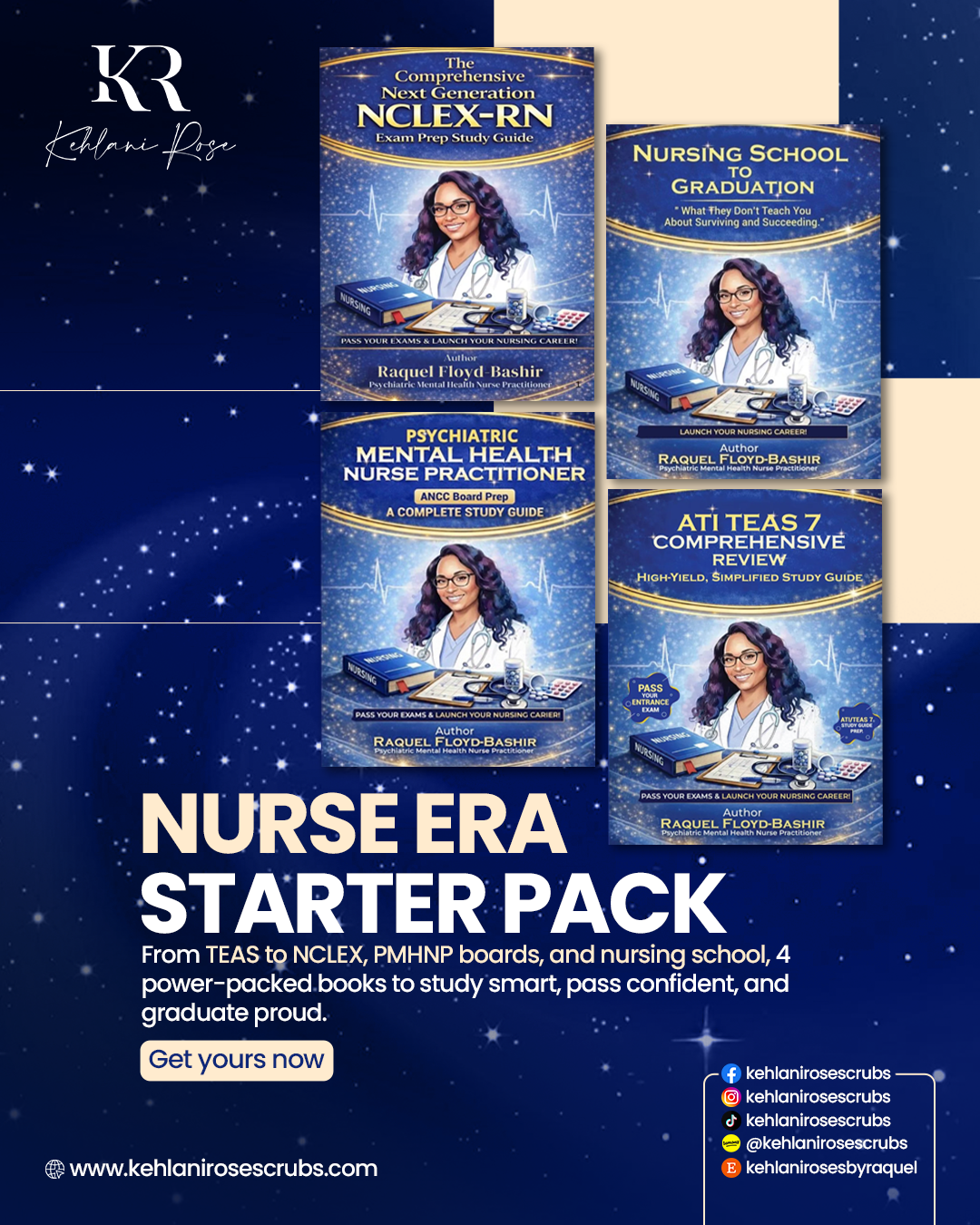
What You’ll Learn From These Study Guides
- High-Yield Psychiatric Diagnoses
- Psychopharmacology Simplified
- Therapy Modalities Breakdown
- ANCC-Style Practice Questions
- Clinical Decision-Making Frameworks

Meet Raquel Floyd Bashir, PMHNP-BC, APRN
Raquel Floyd Bashir is a board-certified Psychiatric Mental Health Nurse Practitioner, university instructor, and nurse educator with more than 30 years of experience in healthcare. Throughout her career, she has been dedicated to supporting nursing students, advancing mental health awareness, and helping future nurses build the knowledge, resilience, and confidence needed to succeed in both school and clinical practice.
Through her books, teaching, and mentorship, Raquel provides practical guidance and real-world insight designed to help nursing students overcome academic challenges, prepare for board examinations, and grow into compassionate and capable healthcare professionals.
Trusted by PMHNP Graduates Nationwide
Anna Faini, MSN, PMHNP-BC
The PMHNP exam guide by Raquel Floyd-Bashir is the resource you've been looking for to pass the board exam. I used the electronic version before the printed version was released. The guide is a helpful resource that pares down the information into memorable chunks. The color scheme improved readability as compared to a black and white printed book. I recommend adding the study guide by Raquel Floyd-Bashir to your resources!
Jasmine T., MSN, APRN
I used multiple resources before finding this PMHNP ANCC study guide, and nothing compared to how structured and clinically relevant this was. The content breaks down complex psychiatric concepts into practical, testable material. I passed my ANCC boards on the first attempt and walked in feeling confident instead of overwhelmed. This guide is a must-have
Daniel R., PMHNP-BC
What sets this book apart is that it’s written by a board-certified PMHNP with real-world experience. The clinical insights helped me think like a provider, not just memorize facts. The practice strategies and exam tips were spot on. I credit this guide for helping me increase my score and pass confidently.
Brianna L., DNP
I was working full-time and needed something concise but comprehensive. This study guide eliminated the fluff and focused on exactly what I needed for the ANCC exam. The pharmacology and diagnostic sections were especially strong. I passed on my first try.
Michael S., MSN, PMHNP
Studying for boards felt overwhelming until I used this guide. It provided a clear study framework and highlighted high-yield topics that actually showed up on my exam. I stopped second-guessing myself and started studying with intention. I highly recommend this to any PMHNP candidate.
Keisha M., PMHNP-BC
This is not just a review book — it’s a strategy guide. The breakdown of mood disorders, psychopharmacology, and therapy modalities was concise but comprehensive. I walked into my ANCC exam prepared and walked out certified. I recommend this to all my colleagues preparing for boards.
Lauren D., PMHNP-BC
Before this study guide, I was scoring in the low 60s on practice exams and seriously questioning whether I was ready to sit for the ANCC. I felt overwhelmed by psychopharmacology and unsure how to approach scenario-based questions. After using this guide, everything changed. The material was organized, high-yield, and clinically relevant. I stopped memorizing randomly and started studying strategically. I passed my PMHNP boards on the first attempt. This book didn’t just help me pass — it changed how I think as a provider.
Marcus T., MSN
Before finding this guide, I had three different review books open at once and no clear direction. I felt anxious every time I thought about the exam. I didn’t know what was truly testable versus what was extra information. After following the structured approach in this book, I had a clear study plan and focused only on high-yield content. My confidence improved dramatically. On exam day, I felt prepared — not panicked. I passed and finally earned my certification.
Ashley R., DNP
Before using this study guide, I was working full-time and barely finding time to study. I felt behind compared to my peers and doubted I could retain everything I needed to know. After implementing the study strategies outlined in this book, my study time became efficient and intentional. The pharmacology breakdowns and diagnostic comparisons were exactly what I needed. I passed on my first attempt while still working full-time.
Kevin L., PMHNP-BC
Before this book, I struggled with exam-style thinking. I would narrow answers down to two choices and constantly second-guess myself. After using this guide, I learned how to approach questions strategically and think through them as a provider. The rationales and clinical pearls made the difference. I walked into my exam confident and walked out board-certified.
Practical Guidance for Success in Nursing School
1. Study for Understanding, Not Memorization
Nursing exams test clinical reasoning, not just recall. Focus on understanding pathophysiology, nursing interventions, and rationales. When reviewing material, always ask:
Why does this symptom occur?
Why is this intervention appropriate?
What complication am I preventing?
This approach prepares you for both nursing exams and the NCLEX.
2. Use Active Study Techniques
Passive reading is rarely effective for nursing content. Instead use:
Practice questions daily
Concept mapping
Teaching material to classmates
Flashcards for medications and lab values
Active recall strengthens long-term retention and improves exam performance.
3. Master Time Management Early
Nursing school requires balancing lectures, clinical rotations, assignments, and studying. Successful students typically:
Create a weekly study schedule
Study in smaller daily sessions rather than cramming
Prioritize difficult subjects first
Consistency prevents falling behind when coursework intensifies.
4. Connect Classroom Learning to Clinical Practice
Clinical rotations are where theory becomes real patient care. During clinicals:
Ask nurses about the rationale for treatments
Look up unfamiliar medications or diagnoses after shifts
Reflect on patient cases and how they relate to lecture topics
This integration dramatically improves comprehension and confidence.
5. Take Care of Your Mental and Physical Health
Burnout is common in nursing programs. Maintain performance by:
Getting adequate sleep before exams and clinicals
Maintaining proper nutrition and hydration
Taking short mental breaks to prevent cognitive fatigue
Building a support network with classmates
Students who maintain their well-being are more resilient during demanding semesters.
Start Your Nursing Success Journey
Ready to Strengthen Your Nursing Knowledge and Confidence?
Explore study guides created to help nursing students overcome academic challenges, prepare for board exams, and grow into confident healthcare professionals.
